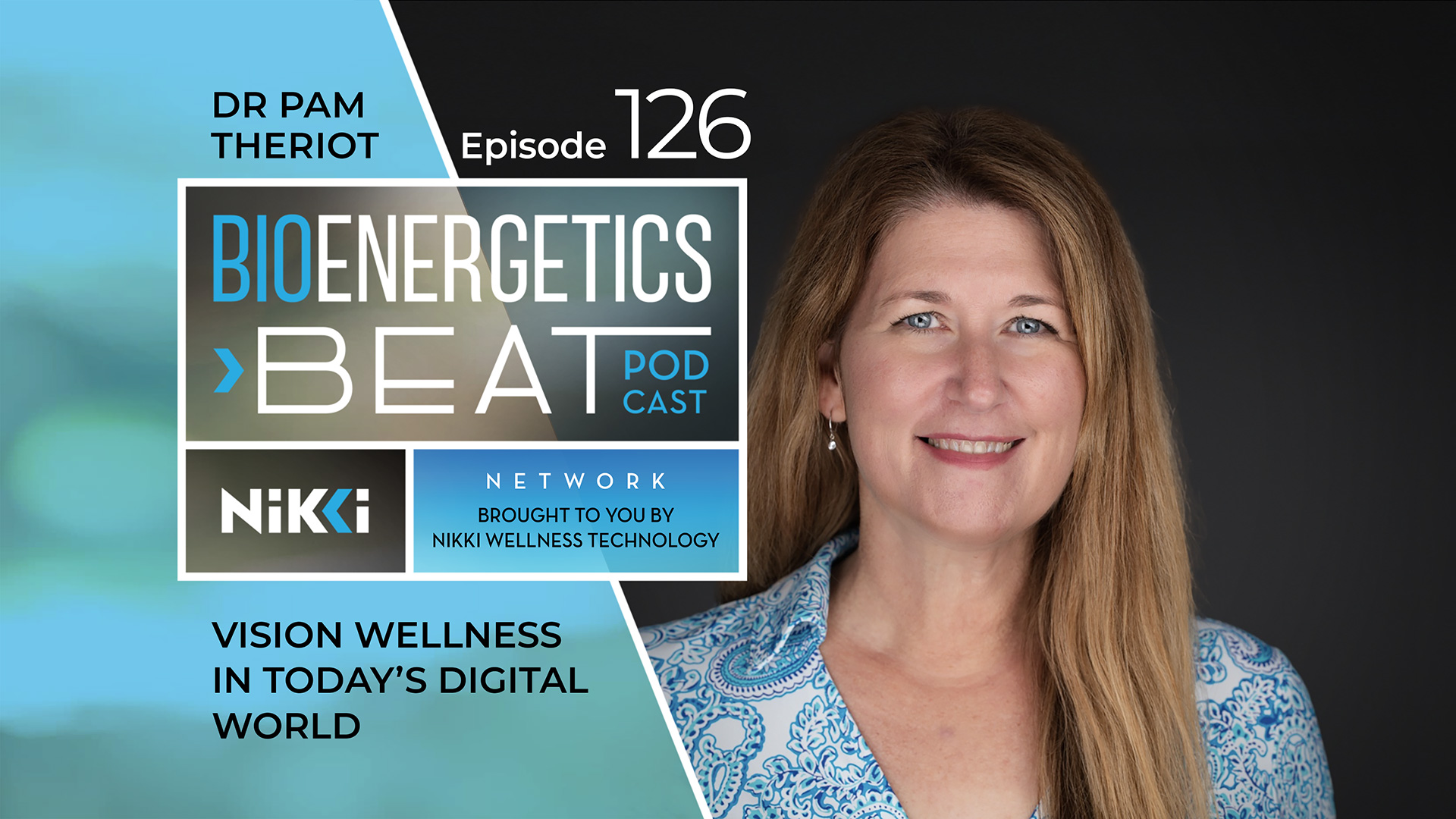
Vision Wellness in Today’s Digital World
In this episode of Bioenergetic Speaks, host Heather Gray, functional diagnostic nutrition practitioner and certified bioenergetic practitioner, welcomes Dr. Pam Theriot, OD, optometrist and dry eye specialist, for a powerful conversation on holistic vision support, dry eye disease, and how modern screen habits are impacting eye health more than ever before.
If you’ve been experiencing dry, irritated eyes, blurry vision, or digital eye strain, this episode offers practical lifestyle strategies to help protect your eyesight and support long-term eye wellness.
What Is Dry Eye Disease?
Dry eye is more than a minor annoyance; it’s a medical condition with multiple underlying causes. Triggers can include environmental factors (like dry climates or high altitude), hormonal shifts, certain medications, chronic inflammation, autoimmune conditions such as Sjögren’s syndrome, and excessive screen time.
Often, dry eye is a signal that something deeper may be happening in the body, especially when accompanied by symptoms like dry mouth, dry nasal passages, increased thirst, or dryness that doesn’t improve with hydration.
The Screen-Time Blink Crisis
One of the biggest contributors to dry eye today is digital device use.
In normal conversation, we blink about 21 times per minute. On screens, that drops to roughly 7 times per minute.
This reduced blinking disrupts the tear film, causes oil gland dysfunction in the eyelids, and leads to faster tear evaporation. Over time, this cumulative effect can significantly impact long-term eye health.
Screen Stress and Inflammation
Extended screen use may also keep the body in a low-grade fight-or-flight state, contributing to nervous system dysregulation and inflammation, further compounding eye strain and dryness.
Simple Ways to Protect Your Vision
In her recent TEDx talk, Dr. Pam shares practical habits to preserve eye health in a digital world:
- Increase screen distance to reduce focusing strain
- Minimize glare and optimize lighting in your workspace
- Use high-contrast settings (black and white is easiest on the eyes)
- Position screens slightly below eye level to support better blinking and reduce tear evaporation
Small ergonomic shifts can make a significant difference in protecting your vision long-term.
Meet Dr. Pam Theriot, OD
Dr. Pam Theriot is an experienced optometrist and dry eye specialist with over 25 years in eye care. Her passion for vision began when she received her first pair of glasses at age 12 and realized how transformative clear sight can be.
After struggling with dry eye herself, she began focusing her practice on helping patients integrate simple, daily habits to protect their eyes, making eye care as routine as brushing their teeth.
Dr. Pam offers a downloadable handout with tips to set up your workspace and implement daily eye-care habits.
Listeners can access it here: